
Sierra Leone and Guinea deserve an economic conversation that connects regional ambition to practical results. For this opening edition of The Week Ahead, I examine one fresh infrastructure report and two established areas of cooperation and investment. The distinction matters: a weekly digest should help readers understand developments without presenting existing programmes as new announcements.
My central argument is straightforward. Regional cooperation earns credibility when it makes enterprise more productive, investment more accountable and opportunities more accessible.
Energy: follow the delivery milestones
Reporting published by PUNCH on 5 October 2026 states that NNPC committed ₦473.8 billion in 2025 to a financing facility covering several gas infrastructure projects, including the proposed Nigeria–Morocco pipeline. The report identifies Sierra Leone and Guinea among the countries along its proposed route. Crucially, the amount covers multiple projects. It is not presented as an allocation to either country.1
This is a development worth following, but a financing commitment does not establish when gas will become available to local users or at what price.
My view is that business planning should follow verifiable milestones: financing secured, agreements concluded, construction completed and supply arrangements established. For manufacturers, processors and other enterprises, the decisive issue is usable energy at a commercially sustainable cost.
The practical priority is to monitor delivery while making present-day investment decisions on the basis of infrastructure that is actually available.
Agriculture: build the business around the buyer
Agricultural enterprise provides a useful second lens. As established background, Enabel’s Guinea country programme describes support for small and medium-sized enterprises in pineapple, mango and potato value chains.2 This is programme context, not an announcement from the past week.
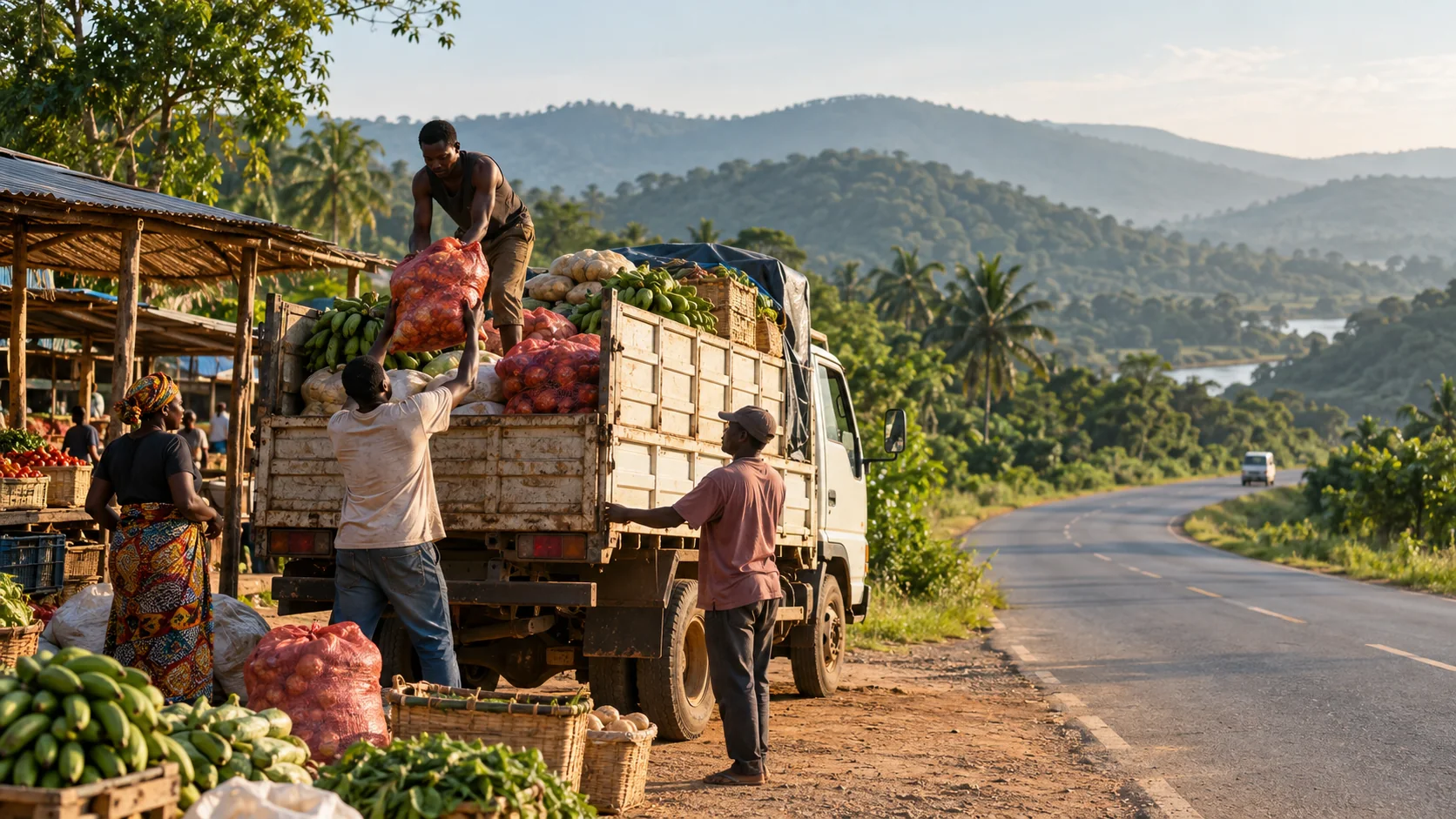
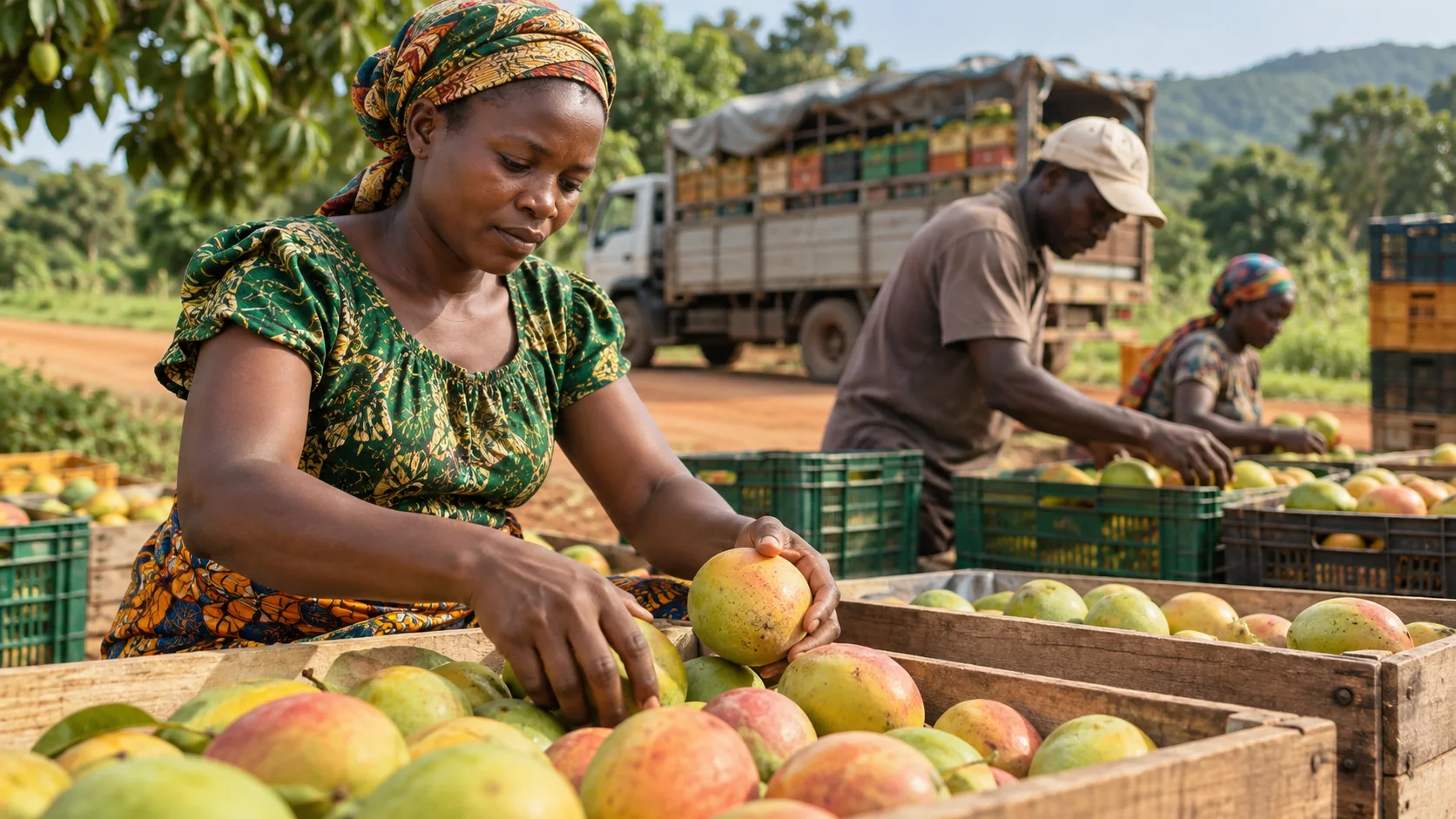
My recommendation for agricultural entrepreneurs is to begin with the customer and work backwards. Identify the product, the required quality, delivery volumes, transport arrangements and payment terms before committing substantial capital.
A farm proposal should answer several commercial questions. Who will buy the output? How will it reach them? What happens when production exceeds immediate demand? Can the selling price cover feed or inputs, labour, losses, transport and financing?
For Sierra Leone–Guinea cooperation, a practical starting point would be a narrowly defined trading opportunity with identified producers and buyers. Demonstrating that one product can move reliably and profitably offers a stronger foundation than announcing a broad partnership without an operating model.
Mining: make credibility verifiable
EITI identifies Guinea’s disclosure of mining contracts through its public cadastre and contract database as an established transparency practice.3 This is another structural issue worth examining, rather than a new announcement.
As a business executive involved in Guinea’s mining sector, I consider investment credibility a responsibility for operators as well as public institutions.
My position is that serious projects should withstand scrutiny of their legal standing, technical assumptions, financing requirements and obligations to affected communities. Public disclosure can support scrutiny, but it cannot by itself establish that an individual project is viable or compliant.
For operators, the practical task is to maintain a coherent dossier that qualified reviewers can assess. For investors, it is to distinguish a documented project from an attractive presentation. For communities, it is to seek clearly stated commitments and a means of checking whether they are fulfilled.
What to watch this week
Three questions will guide my attention: are regional energy commitments moving towards measurable delivery, are agricultural proposals supported by credible customers, and are mining projects producing evidence that can withstand independent review?
These are standards for assessment, not predictions of announcements in the coming days.
My proposed agenda for regional cooperation is therefore concrete: identify a manageable problem, agree who is responsible, establish a delivery timetable and measure the result. Published commitments should be followed by published evidence of progress.
A useful weekly digest should apply that same discipline. It should distinguish announcements from outcomes, explain commercial implications and identify what deserves further scrutiny.
This article presents my personal analysis. References to organisations or programmes do not imply affiliation or endorsement.
Sources
- PUNCH, “NNPC commits N473.8bn to major gas infrastructure,” 5 October 2026. Secondary reporting on NNPC’s 2025 financial disclosures.
- Enabel, Guinea country programme. Background programme information, accessed 5 October 2026.
- Extractive Industries Transparency Initiative, Guinea country profile. Background information on contract disclosure, accessed 5 October 2026.